
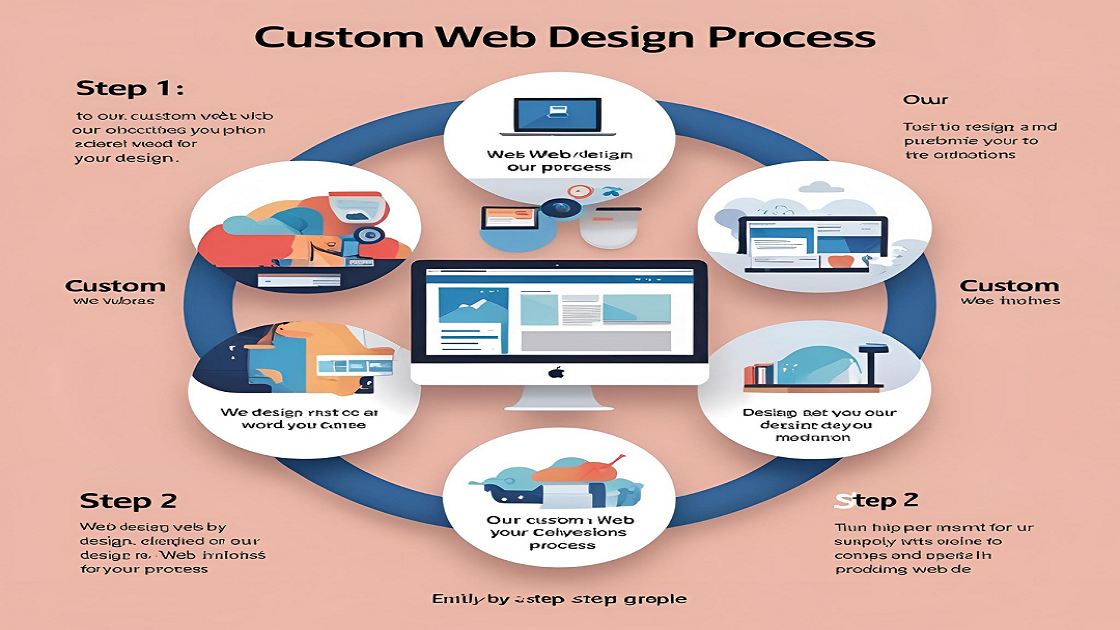
A reliable custom web design process moves from evidence and requirements to structure, design, development, testing and measurable post-launch ownership.
The process should reduce uncertainty at each stage. It is not a sequence of decorative approvals; it connects business goals, user tasks, content, technical decisions and quality checks.
Every project differs, but the following stages create a useful framework for estimating work and keeping decisions traceable.
1. Discovery and current-state review
Start by identifying the audience, primary services, desired customer actions and operational constraints. Review the current site, analytics when available, content inventory, forms, integrations and known technical issues.
The output should be a short decision record: what must be preserved, what is failing and what success can be verified after launch.
2. Scope, sitemap and content responsibilities
A sitemap defines the pages and their relationships. Each page needs an owner, purpose and primary action. Confirm who supplies facts, legal wording, images and approvals before design begins.
- List required templates rather than only page counts.
- Separate launch requirements from later enhancements.
- Identify migration and redirect needs.
- Record integrations, access requirements and data-handling constraints.
3. Wireframes and conversion paths
Wireframes test information order before visual detail makes changes expensive. They should show headings, evidence, calls to action, forms and responsive priority.
For local service websites, connect this stage with conversion optimization so the enquiry path is designed intentionally.
4. Visual system and responsive design
Design should establish typography, color, spacing, components and image behavior across key breakpoints. A consistent system makes later pages easier to build and maintain.
Mobile decisions are made during design, not postponed until desktop approval is complete. Navigation, tap targets and content order require deliberate review.
5. Development and content implementation
Development turns approved components into maintainable templates. Build the smallest set of reusable patterns that supports the content and required functions.
The custom web design and development service may use WordPress or a custom stack depending on workflow, integration and ownership needs.
6. Quality assurance and launch
QA covers content, links, forms, responsive behavior, accessibility basics, performance, browser behavior, metadata, schema and redirects. A launch checklist should also identify who monitors enquiries and errors.
- Test real form submissions.
- Check one visible H1 and logical headings.
- Confirm canonicals, metadata and indexability.
- Verify analytics and conversion events where approved.
- Keep a rollback route for launch changes.
7. Post-launch ownership
After launch, review search visibility, user behavior, form quality and maintenance responsibilities. Improvements should respond to evidence rather than restarting the design every few months.
Browse the portfolio to see how different project constraints lead to different delivery scopes.
Need a Clear Website Project Plan?
Share the current site, required services, integrations and launch priorities. Power Web Solutions can turn them into a practical scope and delivery sequence.